Copy to clipboard

Synergy Spine Solutions presented two-year primary endpoint results from the U.S. Investigational Device Exemption (IDE) 1-Level clinical trial.
Study results indicate that Synergy Disc achieved superior composite clinical success compared with anterior cervical discectomy and fusion (ACDF) at 24 months, with rates of 87.1% versus 56.6%, respectively. Patients treated with the Synergy Disc also experienced greater functional improvement, reduced neck and arm pain scores, and higher overall satisfaction.
The prospective, multicenter study evaluated 175 patients treated with the Synergy Disc across 20 U.S. sites, comparing outcomes with those of a propensity-score matched historical control of 192 ACDF patients. At 24 months, the study met its primary endpoint and demonstrated statistical superiority over ACDF (p < 0.0001), supporting the safety and effectiveness of the motion-preserving, alignment-restoring disc.
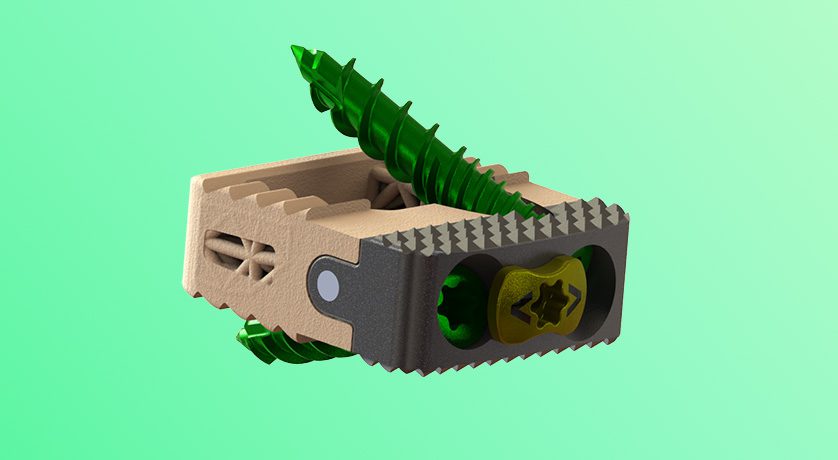
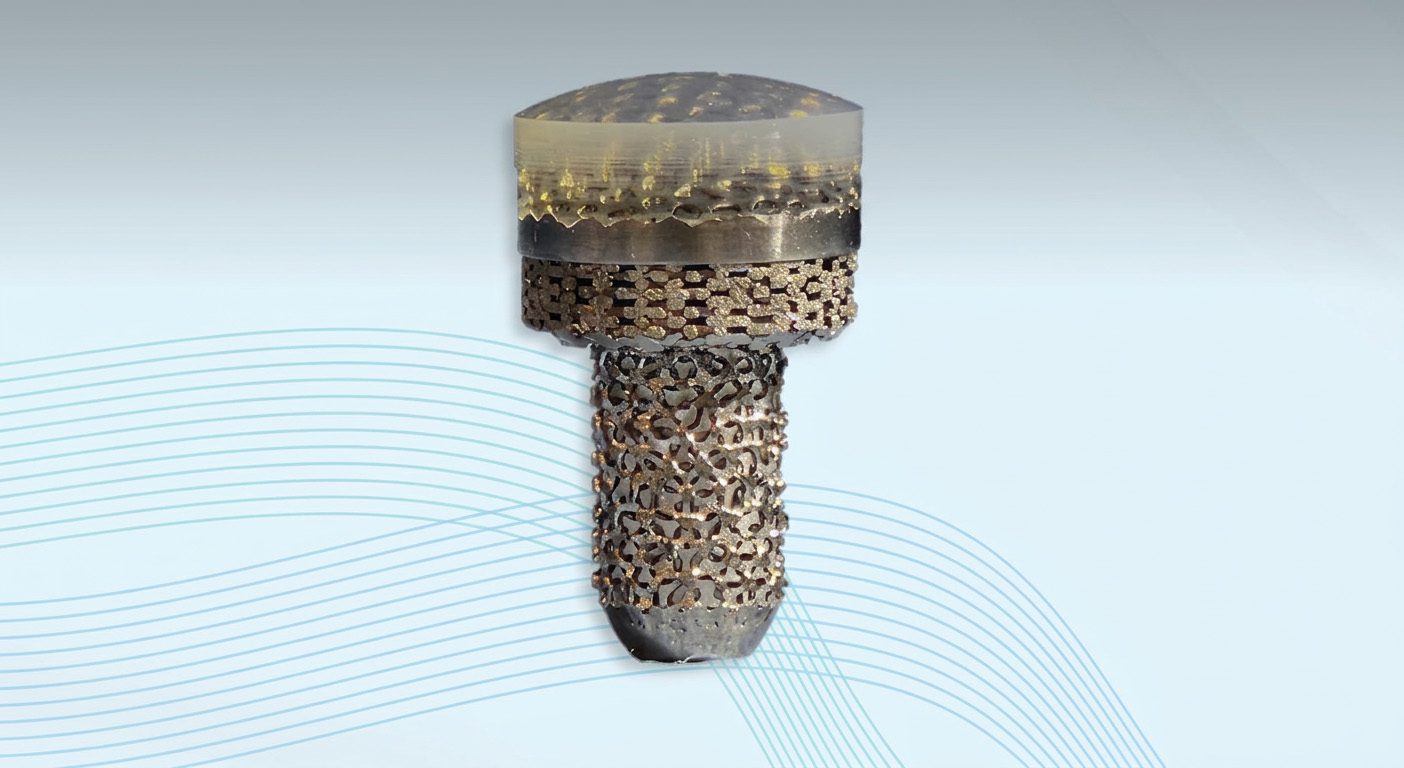
In addition to the clinical outcomes, researchers observed improvements in segmental and global cervical alignment among Synergy Disc patients. The findings support the device’s differentiated design, which combines motion preservation with a built-in 6-degree lordotic core intended to restore alignment at the treated level.
“The clinical results presented at the SMISS Annual Forum give us a clear picture of what this technology means for patients, from pain relief and excellent clinical outcomes to restored motion and improved spinal alignment,” said Josh Butters, CEO of Synergy Spine Solutions. “The data reflects years of surgeon-led innovation and clinical validation, showing that the Synergy Disc successfully addresses both motion preservation and sagittal alignment in a single, reliable device.”
Source: Synergy Spine Solutions
Synergy Spine Solutions presented two-year primary endpoint results from the U.S. Investigational Device Exemption (IDE) 1-Level clinical trial.
Study results indicate that Synergy Disc achieved superior composite clinical success compared with anterior cervical discectomy and fusion (ACDF) at 24 months, with rates of 87.1% versus 56.6%,...
Synergy Spine Solutions presented two-year primary endpoint results from the U.S. Investigational Device Exemption (IDE) 1-Level clinical trial.
Study results indicate that Synergy Disc achieved superior composite clinical success compared with anterior cervical discectomy and fusion (ACDF) at 24 months, with rates of 87.1% versus 56.6%, respectively. Patients treated with the Synergy Disc also experienced greater functional improvement, reduced neck and arm pain scores, and higher overall satisfaction.
The prospective, multicenter study evaluated 175 patients treated with the Synergy Disc across 20 U.S. sites, comparing outcomes with those of a propensity-score matched historical control of 192 ACDF patients. At 24 months, the study met its primary endpoint and demonstrated statistical superiority over ACDF (p < 0.0001), supporting the safety and effectiveness of the motion-preserving, alignment-restoring disc.
In addition to the clinical outcomes, researchers observed improvements in segmental and global cervical alignment among Synergy Disc patients. The findings support the device’s differentiated design, which combines motion preservation with a built-in 6-degree lordotic core intended to restore alignment at the treated level.
“The clinical results presented at the SMISS Annual Forum give us a clear picture of what this technology means for patients, from pain relief and excellent clinical outcomes to restored motion and improved spinal alignment,” said Josh Butters, CEO of Synergy Spine Solutions. “The data reflects years of surgeon-led innovation and clinical validation, showing that the Synergy Disc successfully addresses both motion preservation and sagittal alignment in a single, reliable device.”
Source: Synergy Spine Solutions

You’ve reached your limit.
We’re glad you’re finding value in our content — and we’d love for you to keep going.
Subscribe now for unlimited access to orthopedic business intelligence.

JV
Julie Vetalice is ORTHOWORLD's Editorial Assistant. She has covered the orthopedic industry for over 20 years, having joined the company in 1999.