

 Copy to clipboard

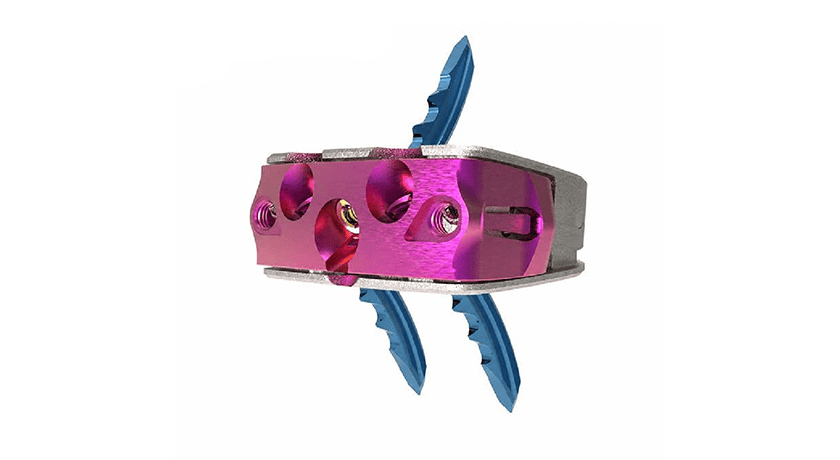
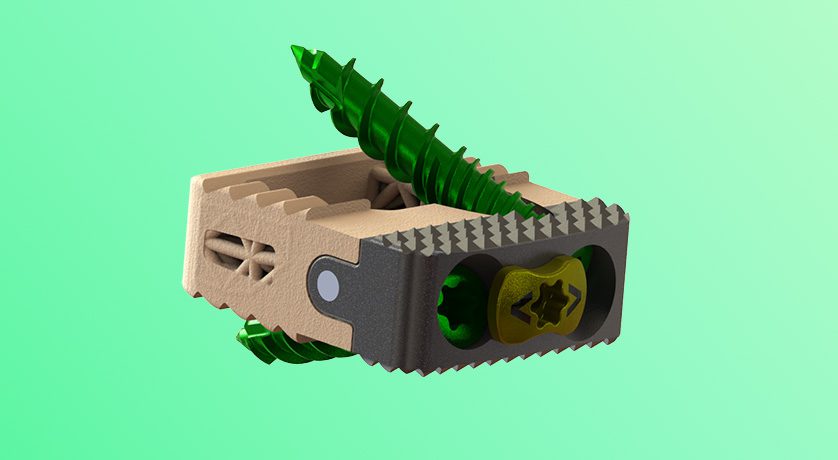
Vy Spine was granted FDA 510(k) clearance to market the VySion-P SI Fusion and VyStop SI Screw Systems.
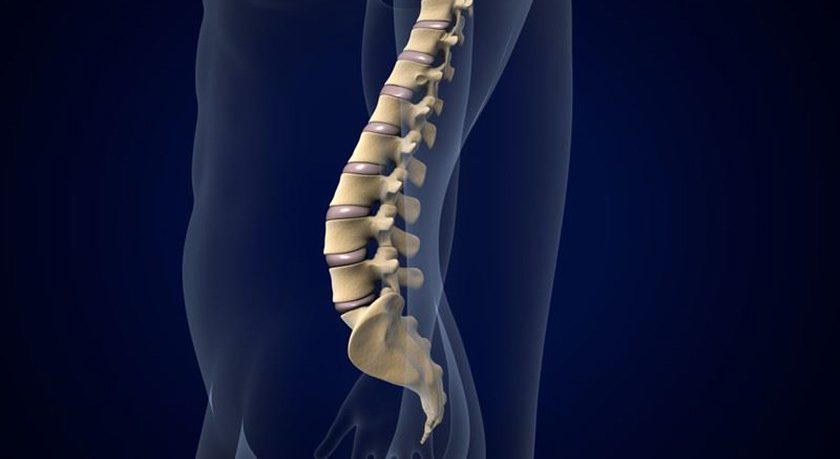
VySion-P SI is intended for sacroiliac joint fusion for conditions including degenerative sacroiliitis and sacroiliac joint disruptions, to augment immobilization and stabilization of the sacroiliac joint in skeletally mature patients undergoing sacropelvic fixation as part of a lumbar or thoracolumbar fusion.
When the VySion-P SI device is implanted, it must be used with a VyStop SI Screw System device (i.e., a “transfixing” device) implanted across the same sacroiliac joint to create a hybrid SI joint fusion construct.
The VyStop SI Screw System is indicated for sacroiliac fusion for the following conditions:
- Sacroiliac joint dysfunction that is a direct result of sacroiliac joint disruption and degenerative sacroiliitis. This includes conditions whose symptoms began during pregnancy or in the peripartum period and have persisted postpartum for more than six months;
- To augment immobilization and stabilization of the sacroiliac joint in skeletally mature patients undergoing sacropelvic fixation as part of a lumbar or thoracolumbar fusion; and
- Acute, non-acute, and non-traumatic fractures involving the sacroiliac joint.
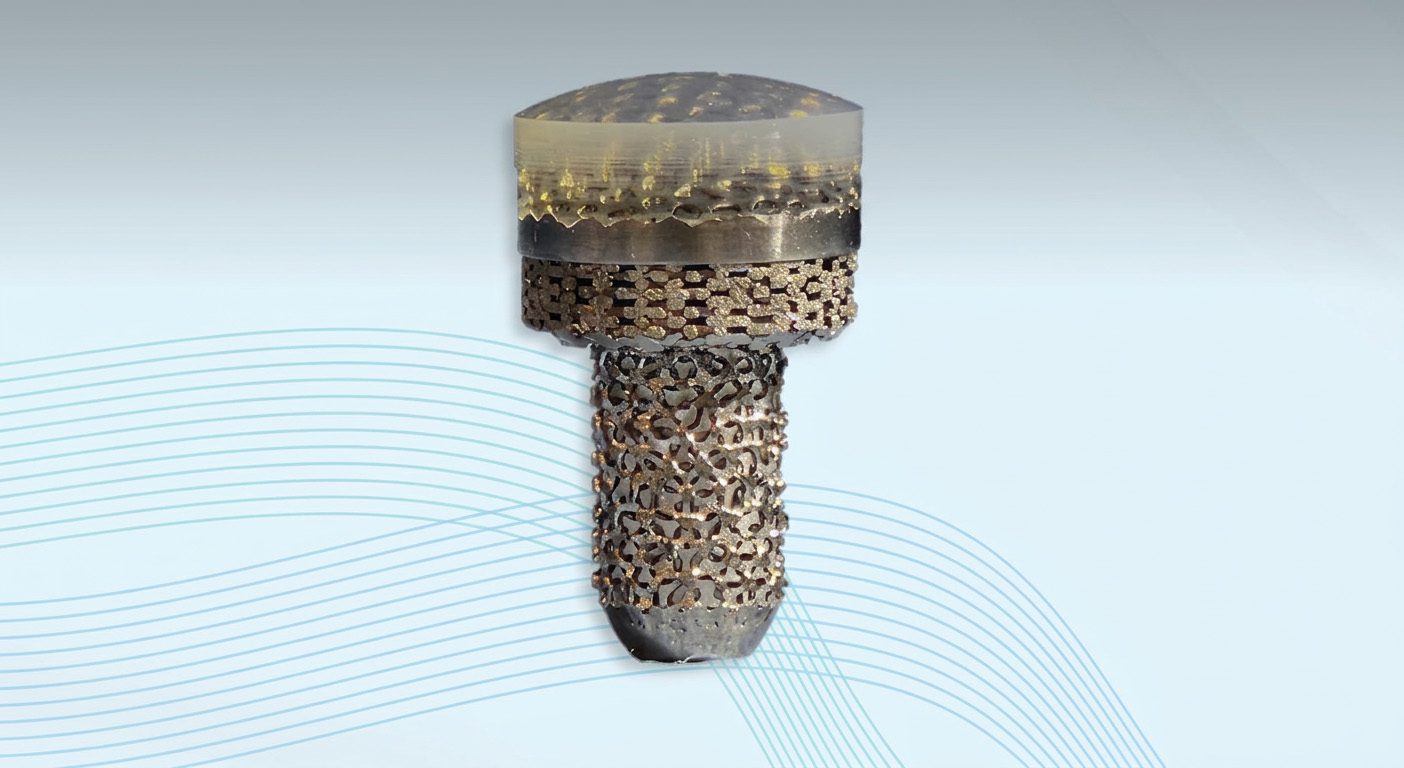
VySion-P is offered in PEEK Optima LT1, HA-Enhanced PEEK Optima, NanoVy Ti-coated PEEK Optima, and OsteoVy PEKK. It is the first polymeric device of its kind to be cleared for SI fusion, and the first SI fusion device using the proven 3D-printed OsteoVy PEKK material. Additionally, VySion-P has self-drilling screws to aid in anchoring the device directly to the bone.
OXPEKK has demonstrated bone ingrowth, no radiographic interference, no fibrotic tissue membrane formation, a significant increase in bony apposition over time, and significantly higher push-out strength compared to standard PEEK. In addition to these product benefits, OXPEKK is bacterostatic and an ideal option for patients with metal hypersensitivity. Vy Spine’s proprietary OsteoVy lattice structure aids in bony integration as well as wicking, PEKK being a hydrophilic material, to provide even greater benefit as an interbody implant.
Source: Vy Spine
Vy Spine was granted FDA 510(k) clearance to market the VySion-P SI Fusion and VyStop SI Screw Systems.
VySion-P SI is intended for sacroiliac joint fusion for conditions including degenerative sacroiliitis and sacroiliac joint disruptions, to augment immobilization and stabilization of the sacroiliac joint in skeletally mature patients...
Vy Spine was granted FDA 510(k) clearance to market the VySion-P SI Fusion and VyStop SI Screw Systems.
VySion-P SI is intended for sacroiliac joint fusion for conditions including degenerative sacroiliitis and sacroiliac joint disruptions, to augment immobilization and stabilization of the sacroiliac joint in skeletally mature patients undergoing sacropelvic fixation as part of a lumbar or thoracolumbar fusion.
When the VySion-P SI device is implanted, it must be used with a VyStop SI Screw System device (i.e., a “transfixing” device) implanted across the same sacroiliac joint to create a hybrid SI joint fusion construct.
The VyStop SI Screw System is indicated for sacroiliac fusion for the following conditions:
- Sacroiliac joint dysfunction that is a direct result of sacroiliac joint disruption and degenerative sacroiliitis. This includes conditions whose symptoms began during pregnancy or in the peripartum period and have persisted postpartum for more than six months;
- To augment immobilization and stabilization of the sacroiliac joint in skeletally mature patients undergoing sacropelvic fixation as part of a lumbar or thoracolumbar fusion; and
- Acute, non-acute, and non-traumatic fractures involving the sacroiliac joint.
VySion-P is offered in PEEK Optima LT1, HA-Enhanced PEEK Optima, NanoVy Ti-coated PEEK Optima, and OsteoVy PEKK. It is the first polymeric device of its kind to be cleared for SI fusion, and the first SI fusion device using the proven 3D-printed OsteoVy PEKK material. Additionally, VySion-P has self-drilling screws to aid in anchoring the device directly to the bone.
OXPEKK has demonstrated bone ingrowth, no radiographic interference, no fibrotic tissue membrane formation, a significant increase in bony apposition over time, and significantly higher push-out strength compared to standard PEEK. In addition to these product benefits, OXPEKK is bacterostatic and an ideal option for patients with metal hypersensitivity. Vy Spine’s proprietary OsteoVy lattice structure aids in bony integration as well as wicking, PEKK being a hydrophilic material, to provide even greater benefit as an interbody implant.
Source: Vy Spine

You’ve reached your limit.
We’re glad you’re finding value in our content — and we’d love for you to keep going.
Subscribe now for unlimited access to orthopedic business intelligence.

JV
Julie Vetalice is ORTHOWORLD's Editorial Assistant. She has covered the orthopedic industry for over 20 years, having joined the company in 1999.