

 Copy to clipboard
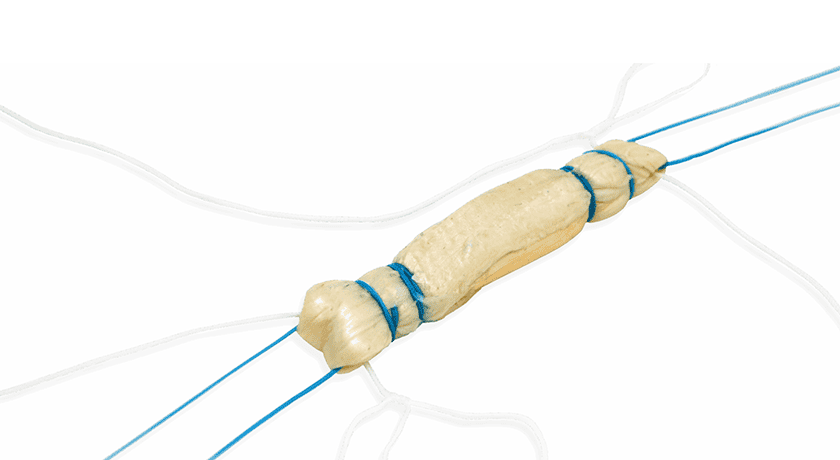
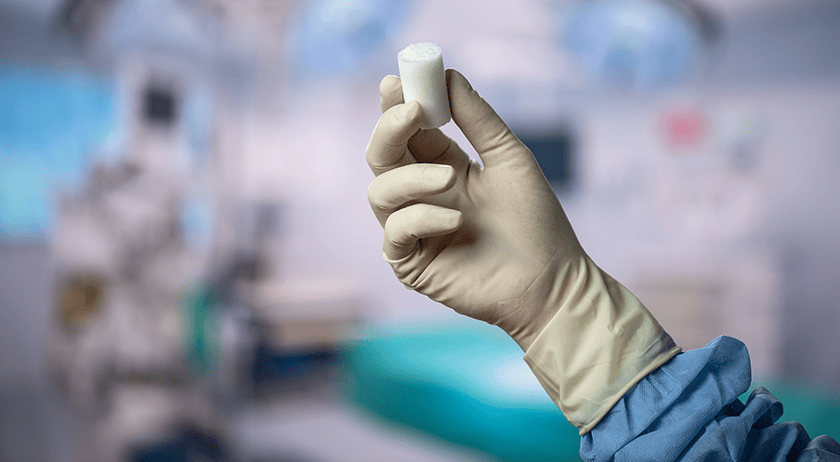
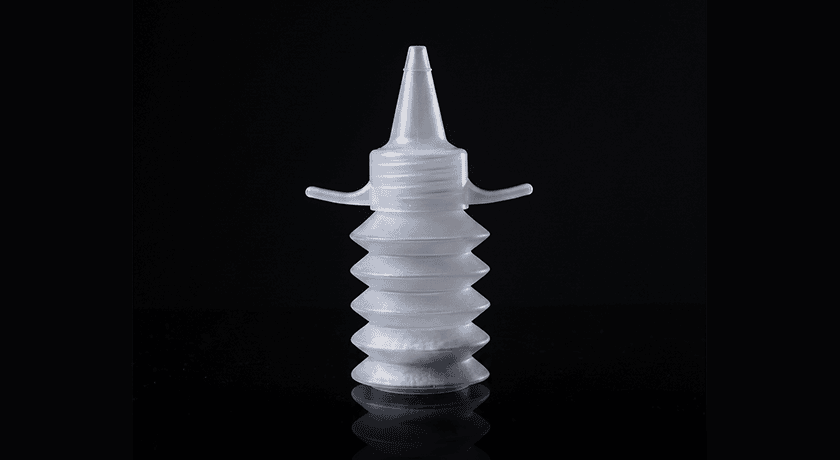
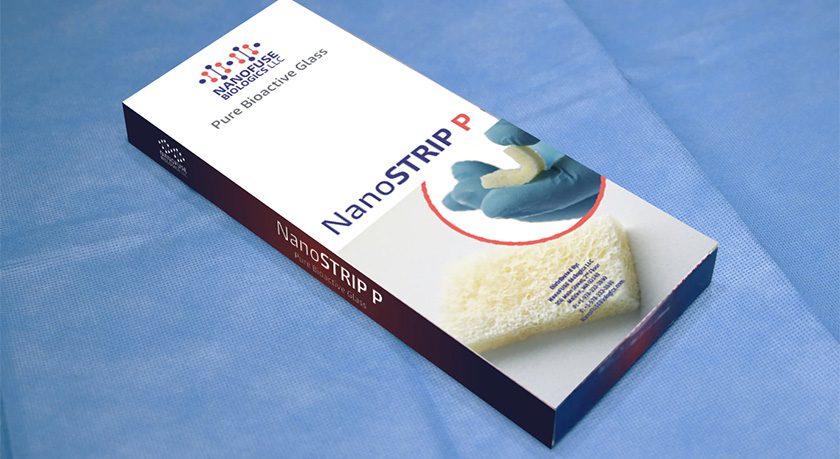
A peer-reviewed scientific study published in the International Journal of Spine Surgery reports that a NanoFuse bioactive glass/demineralized bone matrix (DBM) composite demonstrated significantly greater osteoinductive activity than DBM alone or bioactive glass alone in a validated in vitro alkaline phosphatase assay.
The objective of the study was to evaluate how bioactive ion release influences early osteogenic differentiation, particularly when bioactive glass is placed in close proximity to DBM. This study examined whether combining these two materials could produce a synergistic osteoinductive effect beyond that of either component alone.
The results demonstrated that the NanoFuse composite produced greater alkaline phosphatase activity, a key marker of early osteoblastic differentiation, compared with DBM alone and bioactive glass alone—supporting the biologic rationale for a composite, materials-based approach to bone regeneration.
The findings from this peer-reviewed study add to a growing scientific foundation supporting materials-based osteoinduction as a viable, scalable strategy for bone regeneration and spinal fusion. Additional studies, including clinical evaluations, are underway to further define its role across spine surgery.
Rather than amplifying biology through pharmacology, this study demonstrates the potential of engineering biology through materials. By harnessing bioactive ion release in proximity to DBM, the NanoFuse composite represents a scientifically grounded approach to achieving consistent, efficient osteoinductive signaling for modern spine care.
Source: NanoFuse Biologics
A peer-reviewed scientific study published in the International Journal of Spine Surgery reports that a NanoFuse bioactive glass/demineralized bone matrix (DBM) composite demonstrated significantly greater osteoinductive activity than DBM alone or bioactive glass alone in a validated in vitro alkaline phosphatase assay.
The objective...
A peer-reviewed scientific study published in the International Journal of Spine Surgery reports that a NanoFuse bioactive glass/demineralized bone matrix (DBM) composite demonstrated significantly greater osteoinductive activity than DBM alone or bioactive glass alone in a validated in vitro alkaline phosphatase assay.
The objective of the study was to evaluate how bioactive ion release influences early osteogenic differentiation, particularly when bioactive glass is placed in close proximity to DBM. This study examined whether combining these two materials could produce a synergistic osteoinductive effect beyond that of either component alone.
The results demonstrated that the NanoFuse composite produced greater alkaline phosphatase activity, a key marker of early osteoblastic differentiation, compared with DBM alone and bioactive glass alone—supporting the biologic rationale for a composite, materials-based approach to bone regeneration.
The findings from this peer-reviewed study add to a growing scientific foundation supporting materials-based osteoinduction as a viable, scalable strategy for bone regeneration and spinal fusion. Additional studies, including clinical evaluations, are underway to further define its role across spine surgery.
Rather than amplifying biology through pharmacology, this study demonstrates the potential of engineering biology through materials. By harnessing bioactive ion release in proximity to DBM, the NanoFuse composite represents a scientifically grounded approach to achieving consistent, efficient osteoinductive signaling for modern spine care.
Source: NanoFuse Biologics

You’ve reached your limit.
We’re glad you’re finding value in our content — and we’d love for you to keep going.
Subscribe now for unlimited access to orthopedic business intelligence.

JV
Julie Vetalice is ORTHOWORLD's Editorial Assistant. She has covered the orthopedic industry for over 20 years, having joined the company in 1999.