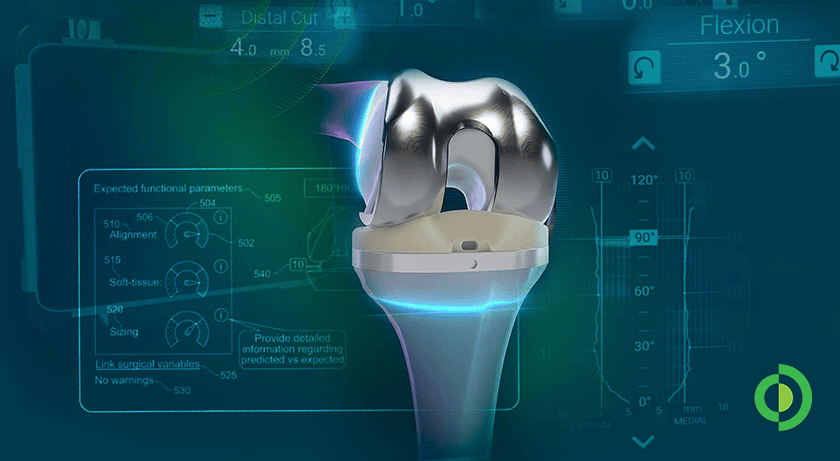
Results from a new retrospective cohort study demonstrated that 3D preoperative planning combined with patient-specific, anatomically designed interbody implants significantly reduced mechanical complication-related reoperations in complex adult spinal deformity (ASD) surgery.
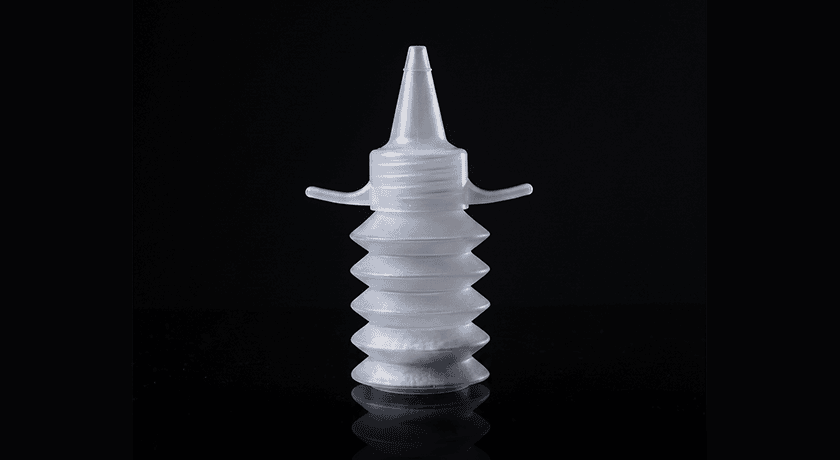
The study compared 2-year revision rates among ASD patients receiving Carlsmed’s aprevo personalized interbody implants with revision data from a similar patient cohort receiving conventional stock implants. The comparator cohort was drawn from the multicenter dataset of the International Spine Study Group, which comprises senior spine surgeons dedicated to advancing the treatment of adult spinal deformity.
Patients treated with aprevo experienced significantly fewer revisions due to mechanical complications, showing a revision rate of 4.3% compared with 16.6% using stock devices, representing a 74% relative reduction.
“Previously published clinical data has demonstrated that 3D surgical planning combined with patient-specific interbody implants help surgeons achieve the personalized alignment goals and endplate fit that are unique to each patient,” said Mike Cordonnier, Chief Executive Officer of Carlsmed. “These new findings further validate the clinical value of personalization in spine surgery, improving outcomes, improving quality of life, reducing reoperations and lowering the overall economic burden associated with revision procedures.”
Results from a new retrospective cohort study demonstrated that 3D preoperative planning combined with patient-specific, anatomically designed interbody implants significantly reduced mechanical complication-related reoperations in complex adult spinal deformity (ASD) surgery.
The study compared 2-year revision rates among ASD patients...
Results from a new retrospective cohort study demonstrated that 3D preoperative planning combined with patient-specific, anatomically designed interbody implants significantly reduced mechanical complication-related reoperations in complex adult spinal deformity (ASD) surgery.
The study compared 2-year revision rates among ASD patients receiving Carlsmed’s aprevo personalized interbody implants with revision data from a similar patient cohort receiving conventional stock implants. The comparator cohort was drawn from the multicenter dataset of the International Spine Study Group, which comprises senior spine surgeons dedicated to advancing the treatment of adult spinal deformity.
Patients treated with aprevo experienced significantly fewer revisions due to mechanical complications, showing a revision rate of 4.3% compared with 16.6% using stock devices, representing a 74% relative reduction.
“Previously published clinical data has demonstrated that 3D surgical planning combined with patient-specific interbody implants help surgeons achieve the personalized alignment goals and endplate fit that are unique to each patient,” said Mike Cordonnier, Chief Executive Officer of Carlsmed. “These new findings further validate the clinical value of personalization in spine surgery, improving outcomes, improving quality of life, reducing reoperations and lowering the overall economic burden associated with revision procedures.”


 Copy to clipboard