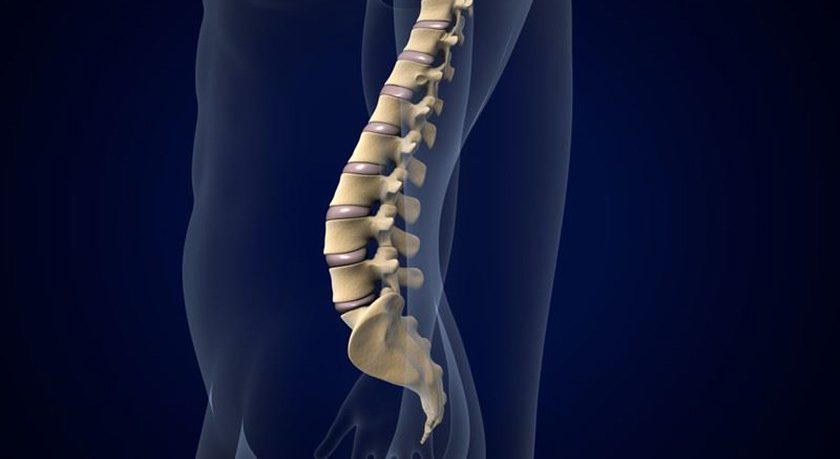
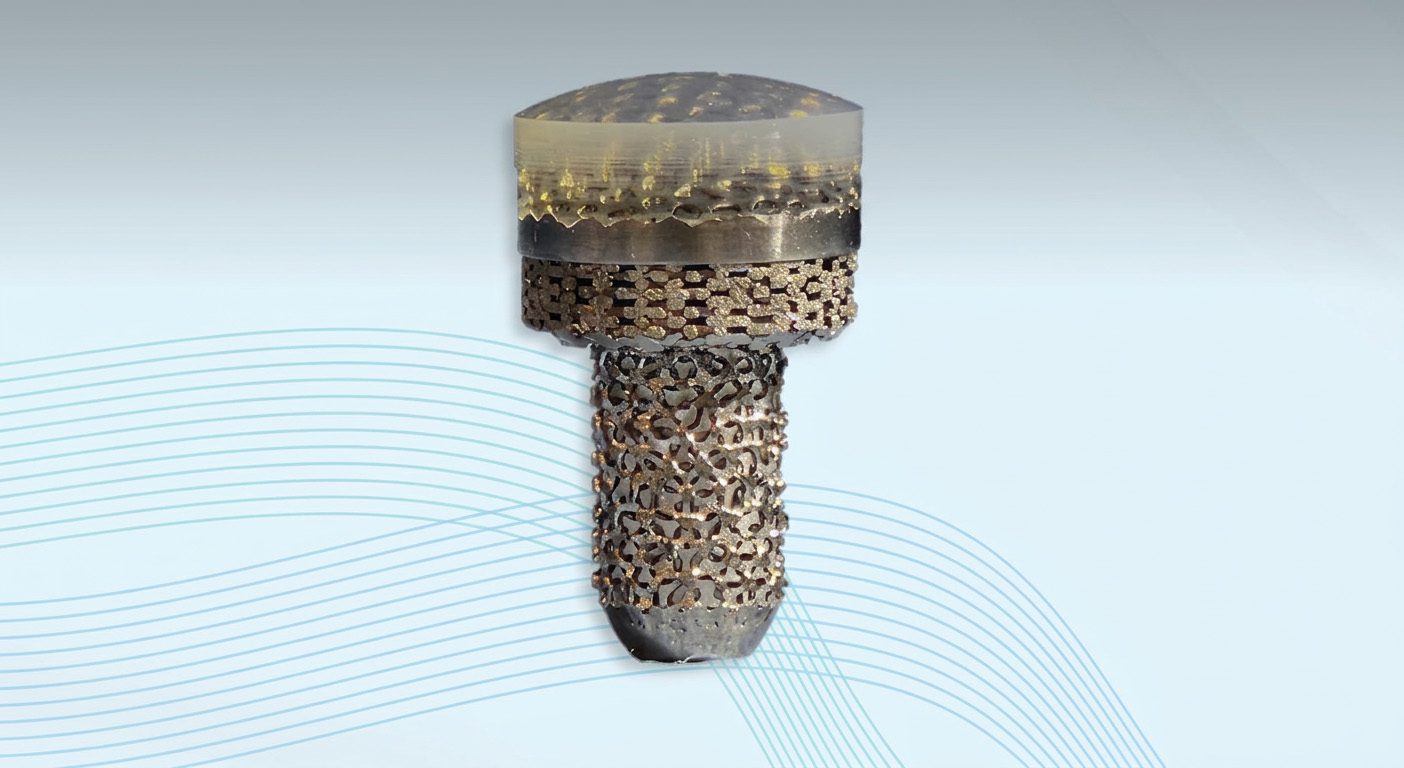
The Centers for Medicare & Medicaid Services granted New Technology Add-On Payment status for Cerapedics’ PearlMatrix P-15 Peptide Enhanced Bone Graft, a Class III drug-device combination product for skeletally mature patients with degenerative disc disease in the lumbar spine.
PearlMatrix is the first bone growth accelerator shown to substantially increase lumbar fusion speed. In a Level 1 pivotal premarket approval study conducted under Investigational Device Exemption, it demonstrated superior results across all patients. The study showed more than twice as many patients achieved fusion at six months compared to those receiving local autograft alone, with substantially higher fusion rates sustained at 12 and 24 months in both overall and high-risk patient populations.
“With the NTAP approval, financial barriers for hospitals may be lowered, allowing more patients access to PearlMatrix,” said Valeska Schroeder, PhD, Chief Executive Officer of Cerapedics. “With PearlMatrix, we have a new formulation designed for the lumbar spine that is supported by an unprecedented clinical trial demonstrating superiority in fusion speed versus local autograft.”
The Centers for Medicare & Medicaid Services granted New Technology Add-On Payment status for Cerapedics' PearlMatrix P-15 Peptide Enhanced Bone Graft, a Class III drug-device combination product for skeletally mature patients with degenerative disc disease in the lumbar spine.
PearlMatrix is the first bone growth accelerator shown to...
The Centers for Medicare & Medicaid Services granted New Technology Add-On Payment status for Cerapedics’ PearlMatrix P-15 Peptide Enhanced Bone Graft, a Class III drug-device combination product for skeletally mature patients with degenerative disc disease in the lumbar spine.
PearlMatrix is the first bone growth accelerator shown to substantially increase lumbar fusion speed. In a Level 1 pivotal premarket approval study conducted under Investigational Device Exemption, it demonstrated superior results across all patients. The study showed more than twice as many patients achieved fusion at six months compared to those receiving local autograft alone, with substantially higher fusion rates sustained at 12 and 24 months in both overall and high-risk patient populations.
“With the NTAP approval, financial barriers for hospitals may be lowered, allowing more patients access to PearlMatrix,” said Valeska Schroeder, PhD, Chief Executive Officer of Cerapedics. “With PearlMatrix, we have a new formulation designed for the lumbar spine that is supported by an unprecedented clinical trial demonstrating superiority in fusion speed versus local autograft.”




 Copy to clipboard