

 Copy to clipboard

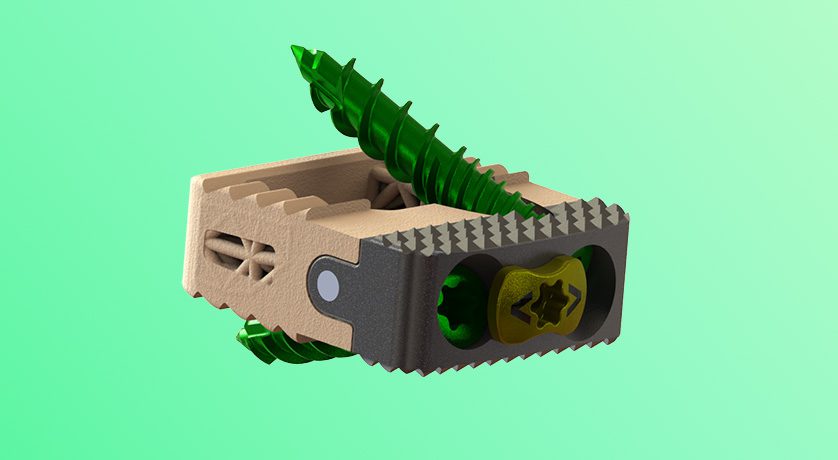
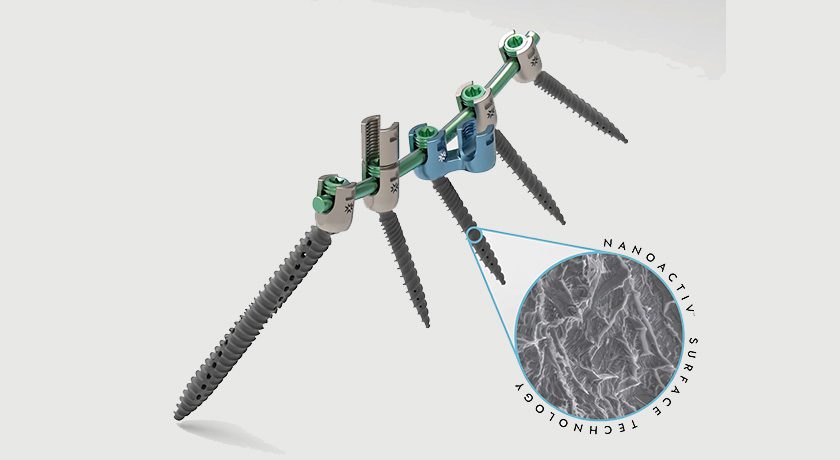
Xenix Medical was granted FDA 510(k) clearance for the addition of NanoACTIV Surface Technology to the screw shanks of its Riva modular pedicle screw system, combining NanoACTIV’s osteogenic properties with the modularity and flexibility of the Riva spinal fixation technology.
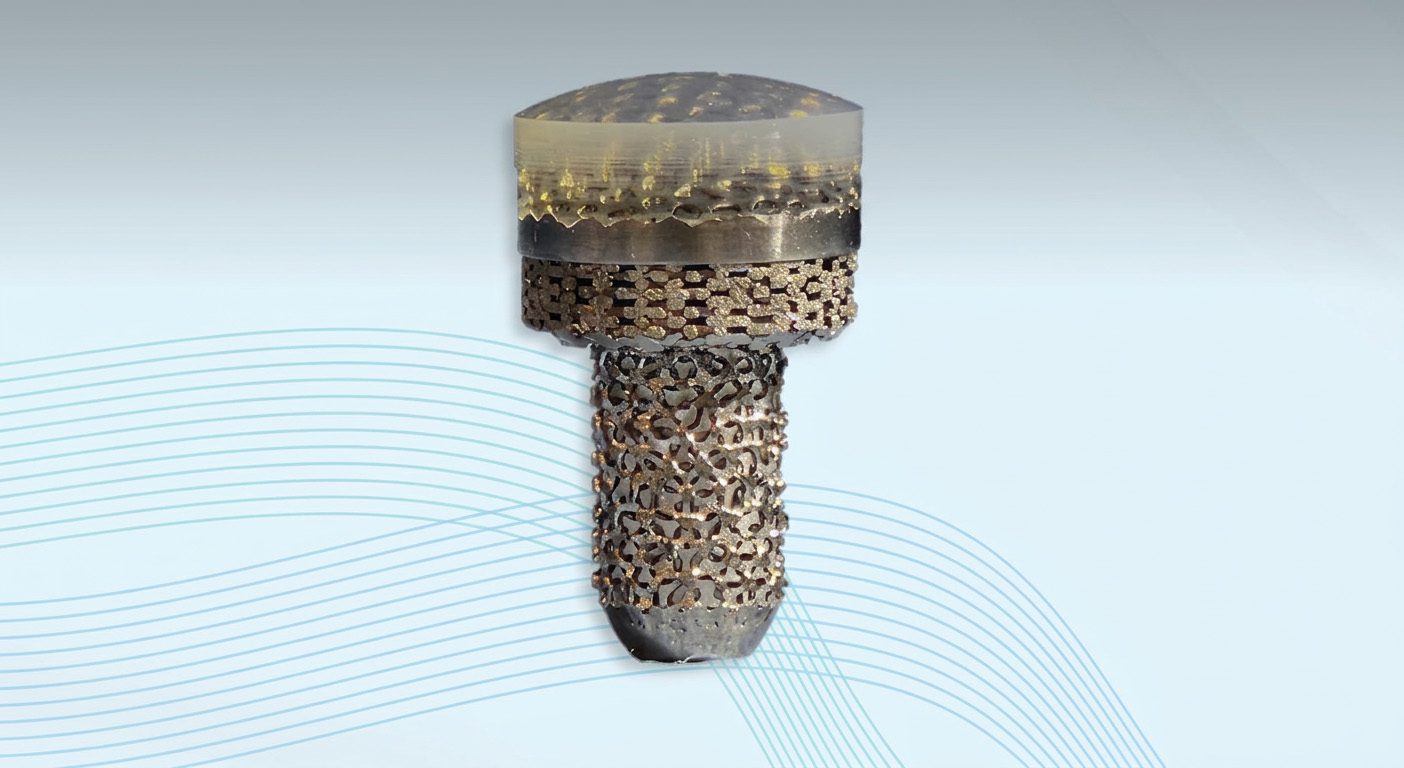
The NanoACTIV proprietary surface modification process creates a combination of micro- and nano-scaled surface textures shown to exhibit specific osteogenic differentiation and an endogenous cellular and biochemical response. NanoACTIV was previously cleared on the company’s 3D-printed titanium implants. With this clearance, the technology now extends to machined wrought titanium, after its osteogenic differentiation properties were shown to be equivalent on both materials. This expands NanoACTIV’s application to more implant types, including those in other specialties.
Riva features a modular head design with audible and tactile confirmation of the head-to-shank connection. It is supported by a comprehensive portfolio of tulip head and screw shank configurations, enabling surgeons to tailor the construct to each patient’s needs, even for challenging anatomical variations or complex cases.
Ryan Phillips, President of Xenix Medical, commented, “The addition of NanoACTIV to our Riva Posterior Fixation System is a key step in our overall NanoACTIV strategy. It finalizes the integration of our proprietary surface technology across our entire spine portfolio and paves the way for its application to future wrought titanium implants. Our testing has also shown that the NanoACTIV surface has further capabilities beyond osteogenic differentiation that we believe will set it apart. That work is nearing completion, and we expect to share more shortly.”
Source: Xenix Medical
Xenix Medical was granted FDA 510(k) clearance for the addition of NanoACTIV Surface Technology to the screw shanks of its Riva modular pedicle screw system, combining NanoACTIV’s osteogenic properties with the modularity and flexibility of the Riva spinal fixation technology.
The NanoACTIV proprietary surface modification process creates...
Xenix Medical was granted FDA 510(k) clearance for the addition of NanoACTIV Surface Technology to the screw shanks of its Riva modular pedicle screw system, combining NanoACTIV’s osteogenic properties with the modularity and flexibility of the Riva spinal fixation technology.
The NanoACTIV proprietary surface modification process creates a combination of micro- and nano-scaled surface textures shown to exhibit specific osteogenic differentiation and an endogenous cellular and biochemical response. NanoACTIV was previously cleared on the company’s 3D-printed titanium implants. With this clearance, the technology now extends to machined wrought titanium, after its osteogenic differentiation properties were shown to be equivalent on both materials. This expands NanoACTIV’s application to more implant types, including those in other specialties.
Riva features a modular head design with audible and tactile confirmation of the head-to-shank connection. It is supported by a comprehensive portfolio of tulip head and screw shank configurations, enabling surgeons to tailor the construct to each patient’s needs, even for challenging anatomical variations or complex cases.
Ryan Phillips, President of Xenix Medical, commented, “The addition of NanoACTIV to our Riva Posterior Fixation System is a key step in our overall NanoACTIV strategy. It finalizes the integration of our proprietary surface technology across our entire spine portfolio and paves the way for its application to future wrought titanium implants. Our testing has also shown that the NanoACTIV surface has further capabilities beyond osteogenic differentiation that we believe will set it apart. That work is nearing completion, and we expect to share more shortly.”
Source: Xenix Medical

You’ve reached your limit.
We’re glad you’re finding value in our content — and we’d love for you to keep going.
Subscribe now for unlimited access to orthopedic business intelligence.

JV
Julie Vetalice is ORTHOWORLD's Editorial Assistant. She has covered the orthopedic industry for over 20 years, having joined the company in 1999.