

 Copy to clipboard
Aurora Spine announced the issuance of two independent U.S. patents by the USPTO.
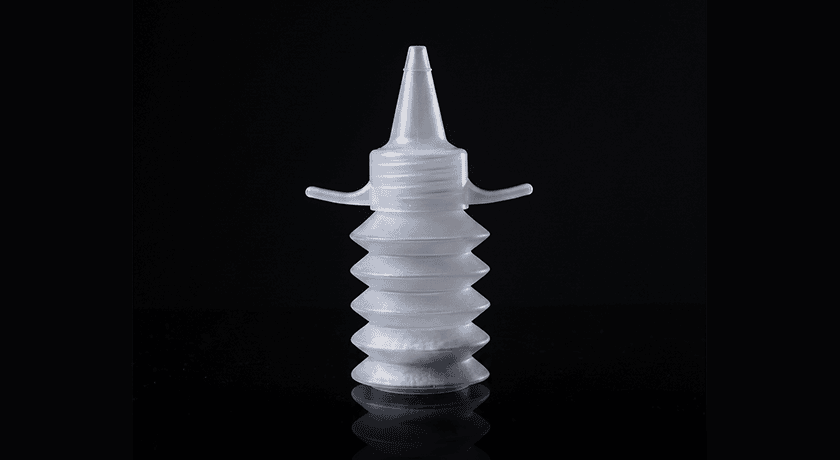
The first patent issued was No. 12,478,411 B2, Spinal Implant for Motion Preservation or Fusion, representing the 10th issued U.S. patent supporting the ZIP implant family. This patent further expands the protected design space around Aurora Spine’s most established and clinically adopted platform.
The patented technology covers a spinal implant architecture designed to support either motion preservation or fusion, depending on clinical application. The design incorporates multiple interacting structural components that distribute load and engage progressively under physiological forces, addressing limitations of traditional rigid implants while maintaining stability and durability.
“The issuance of the tenth patent for the ZIP implant family highlights the strength, longevity, and originality of this platform,” said Trent J. Northcutt, President and CEO of Aurora Spine. “ZIP has been a foundational technology for our company, and this milestone further reinforces our ability to protect and evolve solutions that address real biomechanical and clinical challenges in spine surgery.”
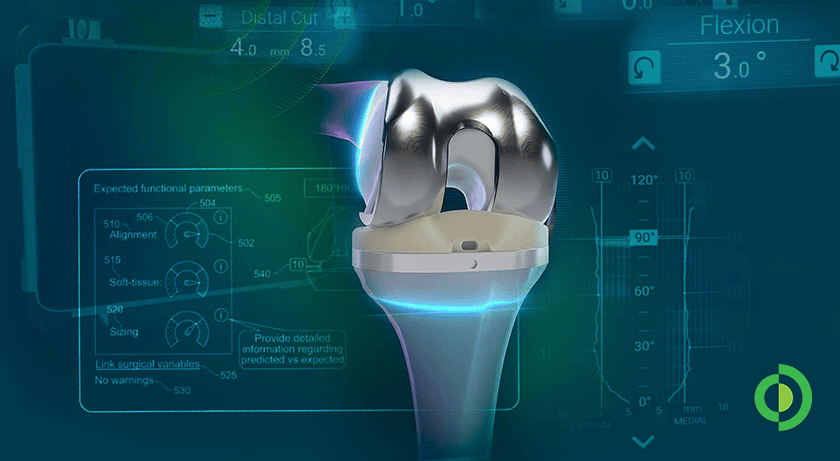
The company also announced the issuance of U.S. Patent No. 12,478,481 B2, Bone Density Scan Result-Matched Orthopedic Implants and Methods of Use. This patent protects a distinct technology focused on selecting orthopedic implants based on a patient’s bone density scan results, such as DEXA measurements.
The patented method establishes a structured, data-driven framework that enables surgeons to:
- Utilize objective bone density data to guide implant selection
- Match implant characteristics to patient bone quality
- Apply a standardized approach across varying bone density profiles
This technology forms the basis of Aurora Spine’s DEXA Technology platform, which represents the company’s third bone-density-matched implant system patent.
“Bone quality is one of the most important variables in spine surgery, yet it has historically been underutilized in implant selection,” said Laszlo Garamszegi, Chief Technology Officer and Co-Founder of Aurora Spine. “This patent establishes a formal, repeatable method for aligning implant selection with patient bone characteristics using objective data.”
Source: Aurora Spine
Aurora Spine announced the issuance of two independent U.S. patents by the USPTO.
The first patent issued was No. 12,478,411 B2, Spinal Implant for Motion Preservation or Fusion, representing the 10th issued U.S. patent supporting the ZIP implant family. This patent further expands the protected design space around Aurora Spine’s most...
Aurora Spine announced the issuance of two independent U.S. patents by the USPTO.
The first patent issued was No. 12,478,411 B2, Spinal Implant for Motion Preservation or Fusion, representing the 10th issued U.S. patent supporting the ZIP implant family. This patent further expands the protected design space around Aurora Spine’s most established and clinically adopted platform.
The patented technology covers a spinal implant architecture designed to support either motion preservation or fusion, depending on clinical application. The design incorporates multiple interacting structural components that distribute load and engage progressively under physiological forces, addressing limitations of traditional rigid implants while maintaining stability and durability.
“The issuance of the tenth patent for the ZIP implant family highlights the strength, longevity, and originality of this platform,” said Trent J. Northcutt, President and CEO of Aurora Spine. “ZIP has been a foundational technology for our company, and this milestone further reinforces our ability to protect and evolve solutions that address real biomechanical and clinical challenges in spine surgery.”
The company also announced the issuance of U.S. Patent No. 12,478,481 B2, Bone Density Scan Result-Matched Orthopedic Implants and Methods of Use. This patent protects a distinct technology focused on selecting orthopedic implants based on a patient’s bone density scan results, such as DEXA measurements.
The patented method establishes a structured, data-driven framework that enables surgeons to:
- Utilize objective bone density data to guide implant selection
- Match implant characteristics to patient bone quality
- Apply a standardized approach across varying bone density profiles
This technology forms the basis of Aurora Spine’s DEXA Technology platform, which represents the company’s third bone-density-matched implant system patent.
“Bone quality is one of the most important variables in spine surgery, yet it has historically been underutilized in implant selection,” said Laszlo Garamszegi, Chief Technology Officer and Co-Founder of Aurora Spine. “This patent establishes a formal, repeatable method for aligning implant selection with patient bone characteristics using objective data.”
Source: Aurora Spine

You’ve reached your limit.
We’re glad you’re finding value in our content — and we’d love for you to keep going.
Subscribe now for unlimited access to orthopedic business intelligence.

JV
Julie Vetalice is ORTHOWORLD's Editorial Assistant. She has covered the orthopedic industry for over 20 years, having joined the company in 1999.