

 Copy to clipboard

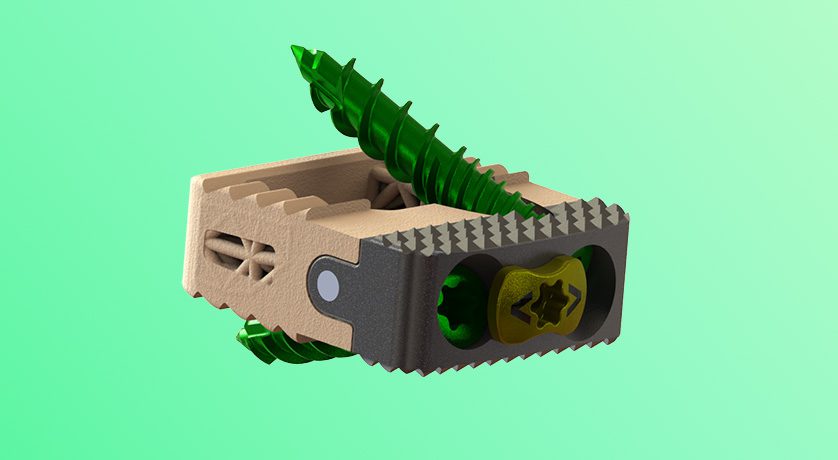
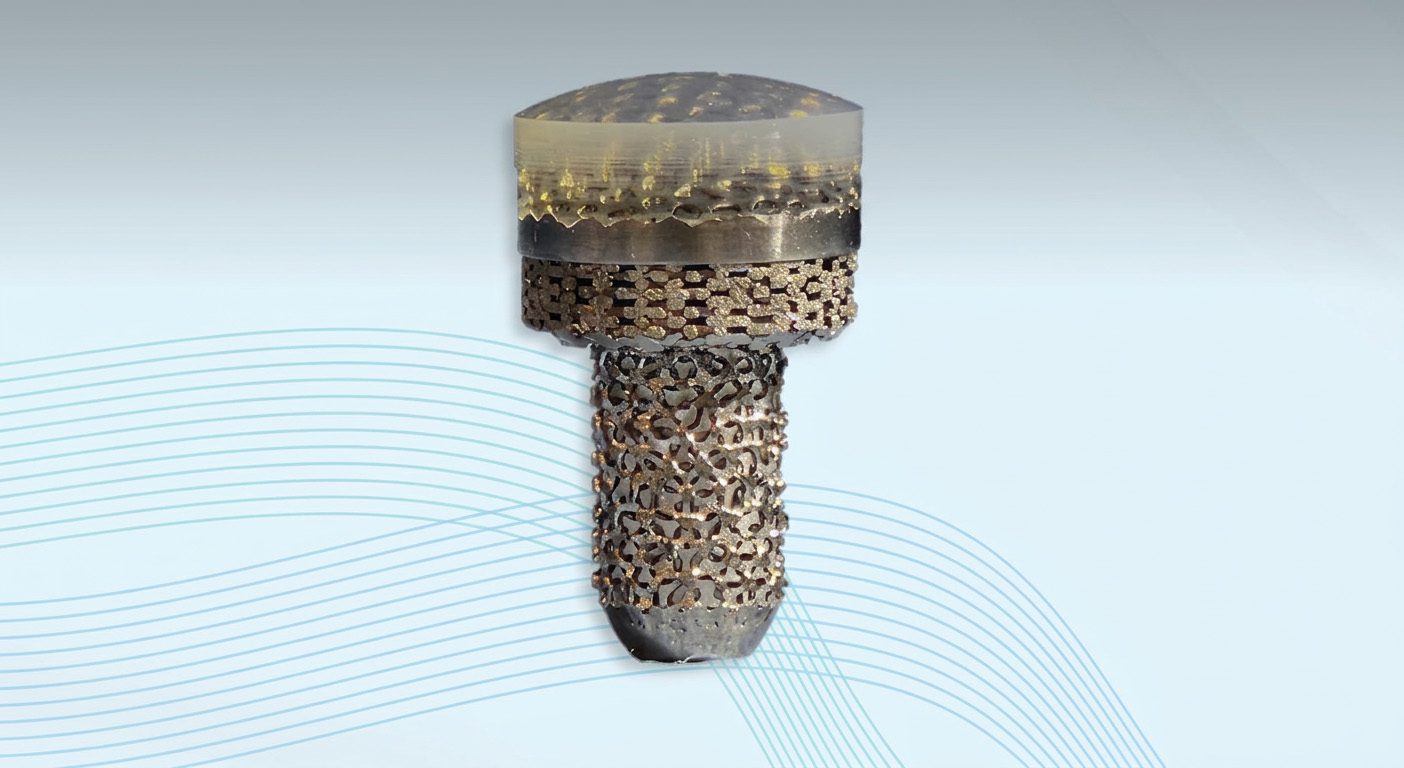
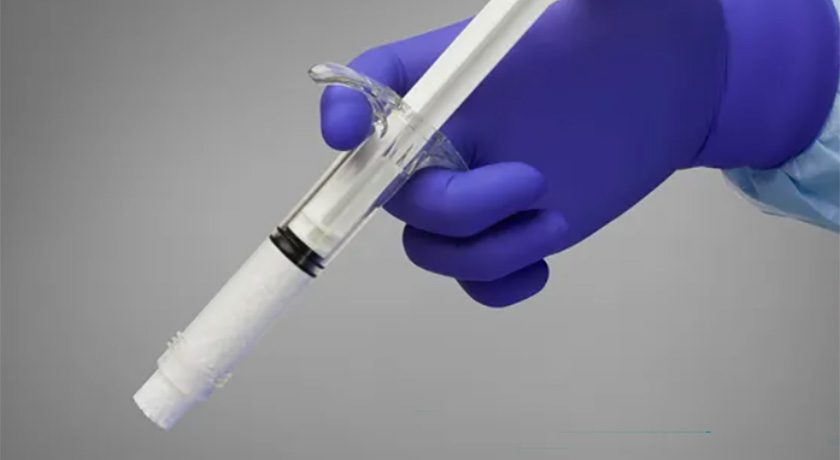
OssDsign launched the OssDsign Catalyst Commitment Fusion Warranty Program for the OssDsign Catalyst nanosynthetic bone graft substitute product
The program follows the publication of results from PROPEL, OssDsign’s prospective, multi-center, observational real-world registry. OssDsign Catalyst achieved an 88.4% fusion success rate in real-world settings, including challenging patients. Nearly half of the patients in the registry’s first published cohort had three or more comorbidities that are widely associated with a higher risk of pseudoarthrosis.
Under the terms of this new program, OssDsign will provide a replacement product to a qualifying surgical facility if a patient undergoes an on-label spinal fusion procedure using OssDsign Catalyst nanosynthetic bone graft substitute and subsequently does not develop bridging bone within a specified postoperative window.
The program is available now to hospitals and ASCs across the United States.
“Spinal fusion is among the most resource-intensive procedures performed today, and a nonunion places a significant clinical, emotional and financial burden on patients and health systems alike,” said Mark Waugh, CEO of OssDsign. “As bundled payments and episode-based care models expand, proven performance in real-world, high-risk patients matters more than ever. With the Catalyst Commitment, OssDsign is not only delivering a next generation nanosynthetic product; we’re standing alongside the hospitals and surgeons who trust it. Our real-world evidence gives us strong confidence in Catalyst’s performance.”
Source: OssDsign
OssDsign launched the OssDsign Catalyst Commitment Fusion Warranty Program for the OssDsign Catalyst nanosynthetic bone graft substitute product
The program follows the publication of results from PROPEL, OssDsign’s prospective, multi-center, observational real-world registry. OssDsign Catalyst achieved an 88.4% fusion success rate in...
OssDsign launched the OssDsign Catalyst Commitment Fusion Warranty Program for the OssDsign Catalyst nanosynthetic bone graft substitute product
The program follows the publication of results from PROPEL, OssDsign’s prospective, multi-center, observational real-world registry. OssDsign Catalyst achieved an 88.4% fusion success rate in real-world settings, including challenging patients. Nearly half of the patients in the registry’s first published cohort had three or more comorbidities that are widely associated with a higher risk of pseudoarthrosis.
Under the terms of this new program, OssDsign will provide a replacement product to a qualifying surgical facility if a patient undergoes an on-label spinal fusion procedure using OssDsign Catalyst nanosynthetic bone graft substitute and subsequently does not develop bridging bone within a specified postoperative window.
The program is available now to hospitals and ASCs across the United States.
“Spinal fusion is among the most resource-intensive procedures performed today, and a nonunion places a significant clinical, emotional and financial burden on patients and health systems alike,” said Mark Waugh, CEO of OssDsign. “As bundled payments and episode-based care models expand, proven performance in real-world, high-risk patients matters more than ever. With the Catalyst Commitment, OssDsign is not only delivering a next generation nanosynthetic product; we’re standing alongside the hospitals and surgeons who trust it. Our real-world evidence gives us strong confidence in Catalyst’s performance.”
Source: OssDsign

You’ve reached your limit.
We’re glad you’re finding value in our content — and we’d love for you to keep going.
Subscribe now for unlimited access to orthopedic business intelligence.

JV
Julie Vetalice is ORTHOWORLD's Editorial Assistant. She has covered the orthopedic industry for over 20 years, having joined the company in 1999.