

 Copy to clipboard

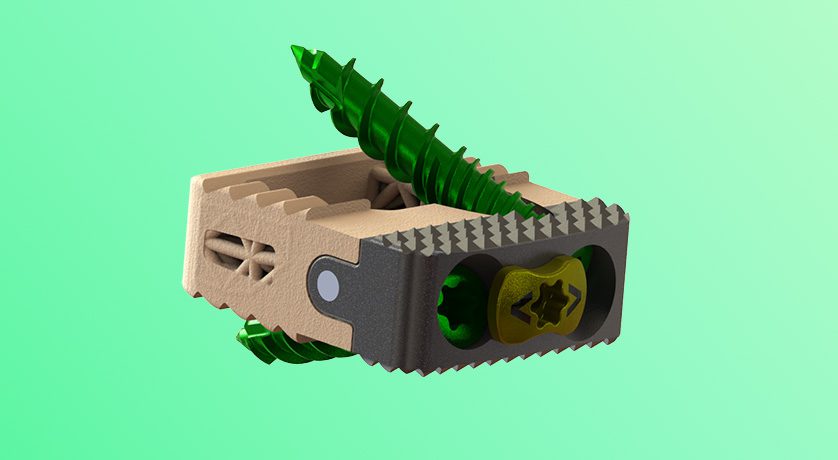
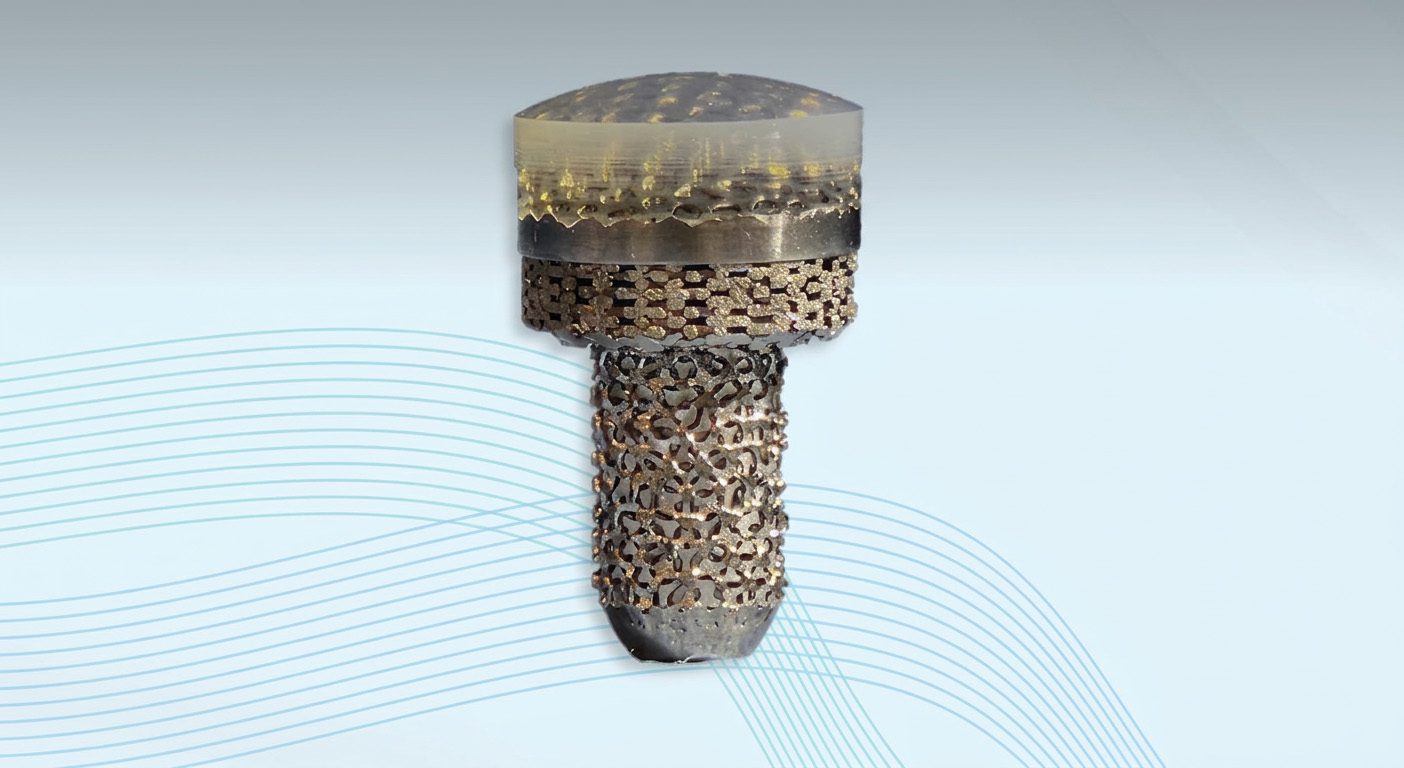
Providence Medical Technology announced successful completion of the first commercial surgical cases using its FDA-cleared CORUS Posterior Cervical Stabilization System 3D-T (CORUS PCSS 3D-T). These procedures mark the commercial launch of Providence’s posterior cervical fusion implant featuring a proprietary 3D-printed porous titanium lattice, which is engineered to provide pathways for vascularization and bone ingrowth, with isotropic load distribution that resists forces from every direction.
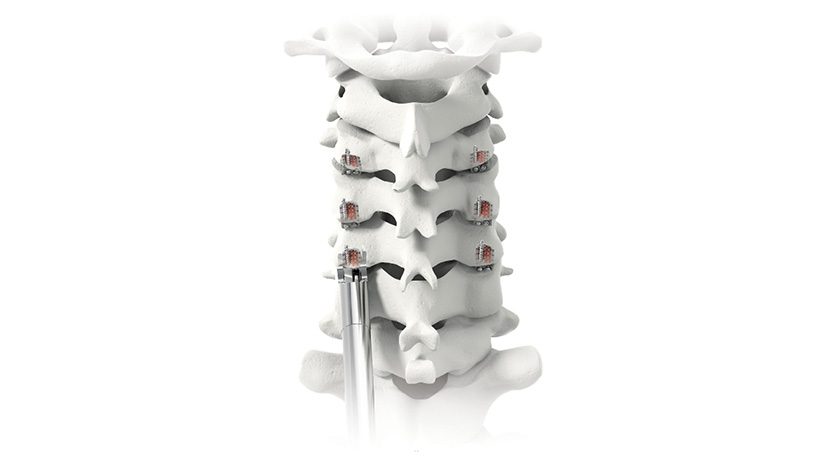
Placed bilaterally through a posterior approach, CORUS PCSS 3D-T features a proprietary porous lattice offering 50% more surface area and eight times the surface roughness of the original machined implants, providing uniform load distribution, structural support, and dedicated space for bone graft material inside the device.
Like its predecessor, CORUS PCSS 3D-T is provided in a sterile-packaged, single-use set indicated for posterior cervical fusion.
“Surgeons on both coasts put CORUS PCSS 3D-T to work as soon as it was available, and that says a lot about the unmet need we’ve been seeing and can now meet with this next-generation technology,” said Lane Major, President and Chief Executive Officer of Providence Medical Technology. “We’re building on our Level 1 clinical evidence, and the 3D-printed CORUS, featuring our proprietary porous titanium lattice, will help surgeons deliver predictable, lasting fusion outcomes for patients and elevate the standard of care.”
Source: Providence Medical Technology, Inc.
Providence Medical Technology announced successful completion of the first commercial surgical cases using its FDA-cleared CORUS Posterior Cervical Stabilization System 3D-T (CORUS PCSS 3D-T). These procedures mark the commercial launch of Providence's posterior cervical fusion implant featuring a proprietary 3D-printed porous titanium...
Providence Medical Technology announced successful completion of the first commercial surgical cases using its FDA-cleared CORUS Posterior Cervical Stabilization System 3D-T (CORUS PCSS 3D-T). These procedures mark the commercial launch of Providence’s posterior cervical fusion implant featuring a proprietary 3D-printed porous titanium lattice, which is engineered to provide pathways for vascularization and bone ingrowth, with isotropic load distribution that resists forces from every direction.
Placed bilaterally through a posterior approach, CORUS PCSS 3D-T features a proprietary porous lattice offering 50% more surface area and eight times the surface roughness of the original machined implants, providing uniform load distribution, structural support, and dedicated space for bone graft material inside the device.
Like its predecessor, CORUS PCSS 3D-T is provided in a sterile-packaged, single-use set indicated for posterior cervical fusion.
“Surgeons on both coasts put CORUS PCSS 3D-T to work as soon as it was available, and that says a lot about the unmet need we’ve been seeing and can now meet with this next-generation technology,” said Lane Major, President and Chief Executive Officer of Providence Medical Technology. “We’re building on our Level 1 clinical evidence, and the 3D-printed CORUS, featuring our proprietary porous titanium lattice, will help surgeons deliver predictable, lasting fusion outcomes for patients and elevate the standard of care.”
Source: Providence Medical Technology, Inc.

You’ve reached your limit.
We’re glad you’re finding value in our content — and we’d love for you to keep going.
Subscribe now for unlimited access to orthopedic business intelligence.

JV
Julie Vetalice is ORTHOWORLD's Editorial Assistant. She has covered the orthopedic industry for over 20 years, having joined the company in 1999.