Providence Medical Technology received FDA 510(k) clearance to market the CORUS Posterior Cervical Stabilization System 3D-T (CORUS PCSS 3D-T).
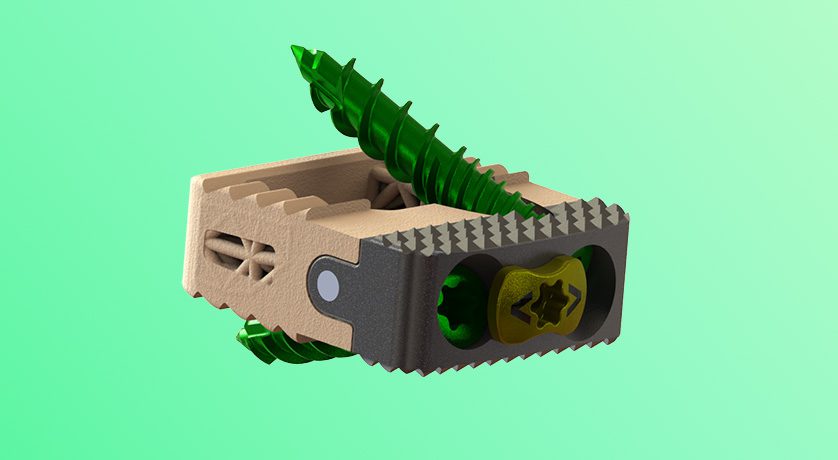
CORUS PCSS 3D-T is a 3D-manufactured, nonsegmental posterior spinal instrumentation device with integrated screw fixation, indicated to immobilize and stabilize spinal segments as an adjunct to posterior cervical fusion (PCF) in patients with cervical degenerative disc disease. Like its predecessor, it comes in the only sterile-packaged, single-use instrument set indicated for posterior cervical fusion.
It is the next generation of the company’s clinically proven CORUS PCSS, retaining the core design, indications, and surgical technique while adding a 3D-manufactured porous titanium architecture designed to support bone ingrowth and fusion.
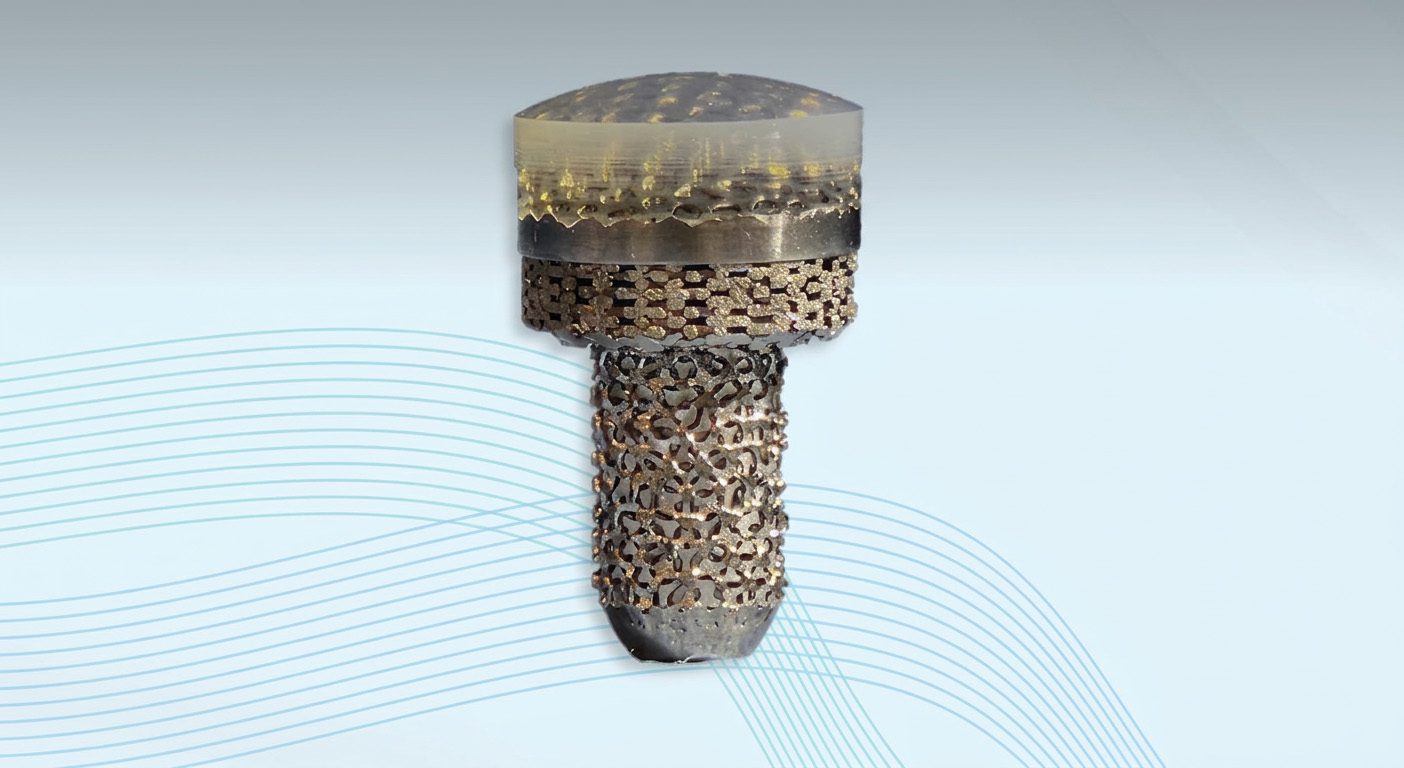
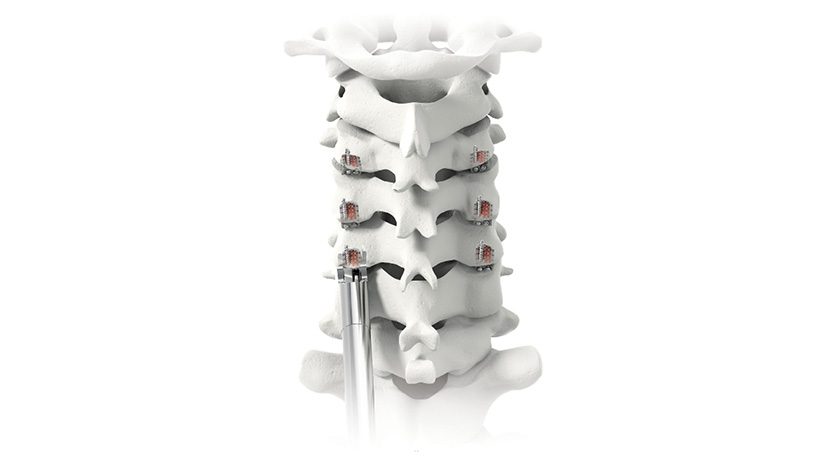
Placed bilaterally through a posterior surgical approach, CORUS PCSS 3D-T features a proprietary porous titanium lattice engineered to mimic cancellous bone, with porosity and pore sizes aligned with published literature on bone ingrowth. The lattice distributes load uniformly while providing structural support during fusion, holds bone graft packed inside the device, and is shaped to accommodate variable patient anatomy.
Providence Medical Technology received FDA 510(k) clearance to market the CORUS Posterior Cervical Stabilization System 3D-T (CORUS PCSS 3D-T).
CORUS PCSS 3D-T is a 3D-manufactured, nonsegmental posterior spinal instrumentation device with integrated screw fixation, indicated to immobilize and stabilize spinal segments as an adjunct to...
Providence Medical Technology received FDA 510(k) clearance to market the CORUS Posterior Cervical Stabilization System 3D-T (CORUS PCSS 3D-T).
CORUS PCSS 3D-T is a 3D-manufactured, nonsegmental posterior spinal instrumentation device with integrated screw fixation, indicated to immobilize and stabilize spinal segments as an adjunct to posterior cervical fusion (PCF) in patients with cervical degenerative disc disease. Like its predecessor, it comes in the only sterile-packaged, single-use instrument set indicated for posterior cervical fusion.
It is the next generation of the company’s clinically proven CORUS PCSS, retaining the core design, indications, and surgical technique while adding a 3D-manufactured porous titanium architecture designed to support bone ingrowth and fusion.
Placed bilaterally through a posterior surgical approach, CORUS PCSS 3D-T features a proprietary porous titanium lattice engineered to mimic cancellous bone, with porosity and pore sizes aligned with published literature on bone ingrowth. The lattice distributes load uniformly while providing structural support during fusion, holds bone graft packed inside the device, and is shaped to accommodate variable patient anatomy.




 Copy to clipboard