

 Copy to clipboard
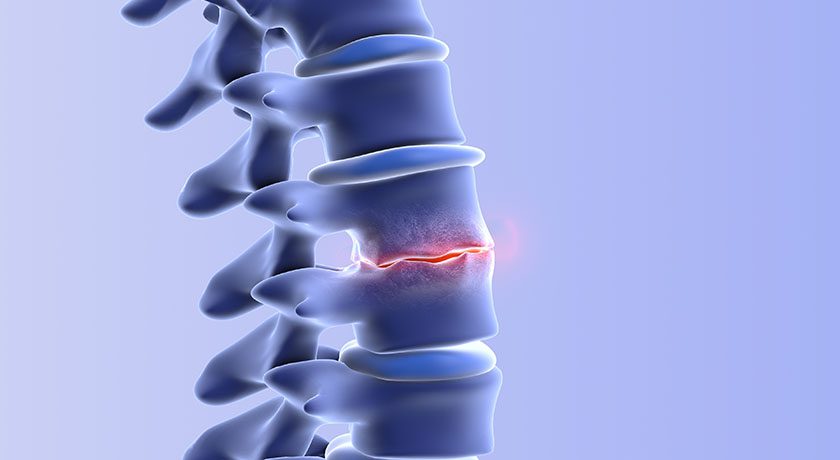
Degenerative disc disease (DDD) stands as one of orthopedic medicine’s most persistent challenges and promising frontiers. For decades, treatment options have been limited to relatively conservative management with pain medications, such as NSAIDs and opioids, or definitive intervention through spinal fusion surgery. Between these extremes patients have had few minimally invasive alternatives, leaving a critical gap in the therapeutic landscape for a condition that profoundly affects quality of life and the ability to function.
The clinical burden of this gap is substantial. Chronic low back pain affects approximately 15% of the adult population, with discogenic pain accounting for about 30% to 40% of these cases. Consequently, at least 15 million patients in the U.S. alone could benefit from improved treatment options.
This substantial target patient population has spurred significant innovation in regenerative and restorative approaches to disc pathology. This review examines current treatment modalities and explores emerging technologies that promise to transform the management of DDD, offering hope for effective non-surgical interventions that address the underlying pathology rather than merely managing its symptoms.
Current Treatment Modalities
Current treatments intended to address intervertebral degeneration specifically are very limited, and none are FDA approved to treat the condition. As a result, utilization of these approaches is scattershot, due to the lack of compelling clinical evidence supporting their use and the absence of broad coverage and payment by commercial insurers.
VIA Disc NP
VIA Disc NP is the only commercially available product for intradiscal administration. Developed by Vivex Biologics, VIA Disc NP is composed of morselized, acellular, nucleus pulposus tissue from adult cadaveric donors. VIA Disc NP is marketed as an allograft tissue for homologous use (i.e., Section 361 complaint), meaning FDA premarket clearance or approval was NOT required prior to commercialization.
VIA Disc NP is provided as a lyophilized particulate that is reconstituted with saline prior to injection. VIA Disc NP is intended to absorb water, restore disc height and recover biomechanical function of the supplemented disc.
In the absence of an FDA approval, most commercial insurers do not cover VIA Disc NP procedures, citing the product’s “investigational” nature status. Thus, patients are generally paying out-of-pocket for VIA Disc NP, though some commercial insurers have provided coverage on a case-by-case basis. To address pushback from payors, Vivex is currently enrolling patients in three separate clinical studies to expand the evidentiary basis supporting the product.
Platelet Rich Plasma (PRP)
PRP is used widely in sports medicine for managing soft tissue injuries. Similarly, some interventional spine clinicians and researchers believe PRP may be effective in the management of degenerated discs, given its composition of growth factors and cytokines that have the potential to modify inflammation and stimulate regenerative pathways. To date, however, there is little quality evidence supporting this technique, with only small clinical series and meta-analyses published in the peer-reviewed literature.
Use of PRP for intradiscal injection is likely to remain a niche procedure, given the absence of a formalized group or company seeking to develop PRP for DDD management and using a formalized drug development approach.
Bone Marrow Aspirate (BMA)
BMA has been hypothesized as a potential therapeutic for degenerated discs. This is supported by the composition of BMA, which contains mesenchymal signaling cells (MSCs), growth factors and other bioactive molecules. Similar to PRP, the evidence supporting the benefit of intradiscal administration BMA is limited to small, underpowered studies that are heterogeneous and subject to investigator bias.
Product Development Landscape
Over 25 companies are actively developing products for intervertebral disc repair and restoration. This high level of interest reflects several factors: the absence of effective treatments, significant unmet clinical need, a large potential patient population, and strong demand from both patients and payors for non-surgical alternatives.
We spotlight four programs that are the most developmentally advanced and best positioned for nearer-term U.S. market entry:
Mesoblast
Mesoblast is developing rexlemestrocel‑L, a cell therapy comprising allogeneic, cell-cultured mesenchymal precursor cells combined with hyaluronic acid. The product’s cellular component is intended to exert immunomodulatory and pro-regenerative effects within the degenerated disc microenvironment. The product is administered into symptomatic lumbar discs with a single image-guided intradiscal injection.
Mesoblast reported results from its first 400-patient Phase 3 clinical trial in 2021. That study demonstrated meaningful and durable pain reduction through 24 months for rexlemestrocel-L-treated patients compared with saline controls. Patients in the treated cohort also demonstrated a significant reduction in opioid use. A second 300-patient confirmatory Phase 3 trial is currently enrolling patients, with enrollment expected to be completed in Q2 2026. This timeline positions Mesoblast to submit a BLA to FDA in 2029, with approval potentially occurring in 2030.
DiscGenics
DiscGenics is developing IDCT, a cell therapy (also known as rebonuputemcel) comprising culture-expanded allogeneic intervertebral disc cells. These “discogenic cells” are isolated from the nucleus pulposus from adult donors and selected for their potential for tissue regeneration and compatibility with the harsh and hypoxic microenvironment of the intervertebral disc.
In DiscGenics’ 60-patient Phase 1/2 clinical study, patients treated with the highest dose of IDCT experienced statistically significant pain relief, which was durable for 2 years following a single intradiscal injection. DiscGenics is sponsoring two identical Phase 3 clinical studies to provide the safety and efficacy data to support a future BLA filing. The first of these studies is currently enrolling and plans to include up to 162 patients.
ReGelTec
ReGelTec’s HYDRAFIL System is an injectable, thermosensitive synthetic hydrogel implant used for nucleus pulposus augmentation. The polymer-based hydrogel formulation (PVA/PVP/PEG) becomes liquified when heated (enabling injection) and then forms a solid cohesive implant when cooled to body temperature. While not a regenerative medicine solution, HYDRAFIL is intended to restore the native biomechanics of the disc, while relieving pain and preserving motion without surgery.
In a preliminary clinical study of 75 subjects, patients treated with HYDRAFIL demonstrated marked improvements in pain and function that were sustained for 24 months. Based on this study, HYDRAFIL received a CE Mark in 2025, authorizing commercial distribution of the product in the EU as a Class III medical device.
In the U.S., HYDRAFIL is also being regulated as a medical device and will require a PMA to reach market. ReGelTec is currently enrolling a 225-patient multicenter clinical trial in the U.S. and Canada, with the data intended to support regulatory submission to the FDA.
Spine BioPharma
Spine BioPharma is developing SB-01, a synthetic 7-amino-acid peptide designed to block TGF-β1 signaling in painful degenerated lumbar discs. By reducing elevated TGF-β1 levels, SB-01 aims to decrease inflammation, prevent nucleus pulposus breakdown, and alleviate nerve irritation. SB-01 was evaluated in a 417-patient Phase 3 clinical trial; however, the primary efficacy endpoint of the study was not met (due to unexpected results from the sham control group).
Undeterred, Spine Biopharma is continuing to explore possible clinical development pathways for the product with the FDA.
In addition to the technologies summarized above, the following clinical stage programs hold significant promise as potential treatments for discogenic back pain.
AnGes is developing AMG0103, a synthetic oligonucleotide “decoy” of the NF‑κB DNA binding site. Interruption of this signaling pathway inhibits downstream expression and production of proinflammatory cytokines that are responsible for discogenic pain and degeneration. In the first Phase 1 clinical study (performed in the U.S.), AMG0103 demonstrated a statistically significant dose-dependent reduction in pain along with an acceptable safety profile. In addition, treatment resulted in a statistically significant improvement in disc height that was sustained for 50 weeks post-injection. This product is currently participating in a Phase 2 dose escalation study in Japan.
BioRestorative Therapies is developing BRTX-100, an autologous cell therapy derived from the patient’s bone marrow cells and expanded under hypoxic conditions as part of a proprietary process. BioRestorative is currently enrolling patients in a Phase 2 clinical study for the management of discogenic lumbar back pain.
Creative Medical Technology Holdings is developing CELZ-201 (olastrocel), a perinatal tissue-derived cell therapy. CELZ-201 is administered as a paraspinal intramuscular injection adjacent to the affected lumbar level. Enrollment in a 30-patient Phase 1/2 clinical study was completed in December 2025, with final top-line results expected in H1 2026.
In Summary
Management of DDD treatment is approaching a critical turning point. Though current options remain limited, a strong pipeline of emerging technologies suggests chronic low back pain treatment will fundamentally change in coming years. With multiple late-stage programs nearing regulatory approval, the next five years may bring the first FDA-approved disease-modifying treatments for disc degeneration.
This convergence of scientific innovation and clinical validation offers genuine hope for effective alternatives that address underlying pathology rather than just symptoms — finally bridging the gap between conservative management and surgical fusion.
James Petricek, MSE, MBA, is Senior Principal at Dark Horse Consulting Regenerative Medicine (DHCRM), where he leads engagements in product and business strategy, market assessment, financial modeling and due diligence. Additionally, he leads DHCRM’s orthobiologic market research activities, tracking emerging trends and innovations in bone, tendon, ligament, cartilage, and intervertebral disc regeneration.
Scott Bruder, MD, PhD, FORS, is the General Manager of Dark Horse Consulting Regenerative Medicine, which was formed through the acquisition of Bruder Consulting & Venture Group. DHCRM has completed over 900 projects on behalf of 150 Client Partners in the field of Regenerative Medicine.
Degenerative disc disease (DDD) stands as one of orthopedic medicine’s most persistent challenges and promising frontiers. For decades, treatment options have been limited to relatively conservative management with pain medications, such as NSAIDs and opioids, or definitive intervention through spinal fusion surgery. Between these extremes...
Degenerative disc disease (DDD) stands as one of orthopedic medicine’s most persistent challenges and promising frontiers. For decades, treatment options have been limited to relatively conservative management with pain medications, such as NSAIDs and opioids, or definitive intervention through spinal fusion surgery. Between these extremes patients have had few minimally invasive alternatives, leaving a critical gap in the therapeutic landscape for a condition that profoundly affects quality of life and the ability to function.
The clinical burden of this gap is substantial. Chronic low back pain affects approximately 15% of the adult population, with discogenic pain accounting for about 30% to 40% of these cases. Consequently, at least 15 million patients in the U.S. alone could benefit from improved treatment options.
This substantial target patient population has spurred significant innovation in regenerative and restorative approaches to disc pathology. This review examines current treatment modalities and explores emerging technologies that promise to transform the management of DDD, offering hope for effective non-surgical interventions that address the underlying pathology rather than merely managing its symptoms.
Current Treatment Modalities
Current treatments intended to address intervertebral degeneration specifically are very limited, and none are FDA approved to treat the condition. As a result, utilization of these approaches is scattershot, due to the lack of compelling clinical evidence supporting their use and the absence of broad coverage and payment by commercial insurers.
VIA Disc NP
VIA Disc NP is the only commercially available product for intradiscal administration. Developed by Vivex Biologics, VIA Disc NP is composed of morselized, acellular, nucleus pulposus tissue from adult cadaveric donors. VIA Disc NP is marketed as an allograft tissue for homologous use (i.e., Section 361 complaint), meaning FDA premarket clearance or approval was NOT required prior to commercialization.
VIA Disc NP is provided as a lyophilized particulate that is reconstituted with saline prior to injection. VIA Disc NP is intended to absorb water, restore disc height and recover biomechanical function of the supplemented disc.
In the absence of an FDA approval, most commercial insurers do not cover VIA Disc NP procedures, citing the product’s “investigational” nature status. Thus, patients are generally paying out-of-pocket for VIA Disc NP, though some commercial insurers have provided coverage on a case-by-case basis. To address pushback from payors, Vivex is currently enrolling patients in three separate clinical studies to expand the evidentiary basis supporting the product.
Platelet Rich Plasma (PRP)
PRP is used widely in sports medicine for managing soft tissue injuries. Similarly, some interventional spine clinicians and researchers believe PRP may be effective in the management of degenerated discs, given its composition of growth factors and cytokines that have the potential to modify inflammation and stimulate regenerative pathways. To date, however, there is little quality evidence supporting this technique, with only small clinical series and meta-analyses published in the peer-reviewed literature.
Use of PRP for intradiscal injection is likely to remain a niche procedure, given the absence of a formalized group or company seeking to develop PRP for DDD management and using a formalized drug development approach.
Bone Marrow Aspirate (BMA)
BMA has been hypothesized as a potential therapeutic for degenerated discs. This is supported by the composition of BMA, which contains mesenchymal signaling cells (MSCs), growth factors and other bioactive molecules. Similar to PRP, the evidence supporting the benefit of intradiscal administration BMA is limited to small, underpowered studies that are heterogeneous and subject to investigator bias.
Product Development Landscape
Over 25 companies are actively developing products for intervertebral disc repair and restoration. This high level of interest reflects several factors: the absence of effective treatments, significant unmet clinical need, a large potential patient population, and strong demand from both patients and payors for non-surgical alternatives.
We spotlight four programs that are the most developmentally advanced and best positioned for nearer-term U.S. market entry:
Mesoblast
Mesoblast is developing rexlemestrocel‑L, a cell therapy comprising allogeneic, cell-cultured mesenchymal precursor cells combined with hyaluronic acid. The product’s cellular component is intended to exert immunomodulatory and pro-regenerative effects within the degenerated disc microenvironment. The product is administered into symptomatic lumbar discs with a single image-guided intradiscal injection.
Mesoblast reported results from its first 400-patient Phase 3 clinical trial in 2021. That study demonstrated meaningful and durable pain reduction through 24 months for rexlemestrocel-L-treated patients compared with saline controls. Patients in the treated cohort also demonstrated a significant reduction in opioid use. A second 300-patient confirmatory Phase 3 trial is currently enrolling patients, with enrollment expected to be completed in Q2 2026. This timeline positions Mesoblast to submit a BLA to FDA in 2029, with approval potentially occurring in 2030.
DiscGenics
DiscGenics is developing IDCT, a cell therapy (also known as rebonuputemcel) comprising culture-expanded allogeneic intervertebral disc cells. These “discogenic cells” are isolated from the nucleus pulposus from adult donors and selected for their potential for tissue regeneration and compatibility with the harsh and hypoxic microenvironment of the intervertebral disc.
In DiscGenics’ 60-patient Phase 1/2 clinical study, patients treated with the highest dose of IDCT experienced statistically significant pain relief, which was durable for 2 years following a single intradiscal injection. DiscGenics is sponsoring two identical Phase 3 clinical studies to provide the safety and efficacy data to support a future BLA filing. The first of these studies is currently enrolling and plans to include up to 162 patients.
ReGelTec
ReGelTec’s HYDRAFIL System is an injectable, thermosensitive synthetic hydrogel implant used for nucleus pulposus augmentation. The polymer-based hydrogel formulation (PVA/PVP/PEG) becomes liquified when heated (enabling injection) and then forms a solid cohesive implant when cooled to body temperature. While not a regenerative medicine solution, HYDRAFIL is intended to restore the native biomechanics of the disc, while relieving pain and preserving motion without surgery.
In a preliminary clinical study of 75 subjects, patients treated with HYDRAFIL demonstrated marked improvements in pain and function that were sustained for 24 months. Based on this study, HYDRAFIL received a CE Mark in 2025, authorizing commercial distribution of the product in the EU as a Class III medical device.
In the U.S., HYDRAFIL is also being regulated as a medical device and will require a PMA to reach market. ReGelTec is currently enrolling a 225-patient multicenter clinical trial in the U.S. and Canada, with the data intended to support regulatory submission to the FDA.
Spine BioPharma
Spine BioPharma is developing SB-01, a synthetic 7-amino-acid peptide designed to block TGF-β1 signaling in painful degenerated lumbar discs. By reducing elevated TGF-β1 levels, SB-01 aims to decrease inflammation, prevent nucleus pulposus breakdown, and alleviate nerve irritation. SB-01 was evaluated in a 417-patient Phase 3 clinical trial; however, the primary efficacy endpoint of the study was not met (due to unexpected results from the sham control group).
Undeterred, Spine Biopharma is continuing to explore possible clinical development pathways for the product with the FDA.
In addition to the technologies summarized above, the following clinical stage programs hold significant promise as potential treatments for discogenic back pain.
AnGes is developing AMG0103, a synthetic oligonucleotide “decoy” of the NF‑κB DNA binding site. Interruption of this signaling pathway inhibits downstream expression and production of proinflammatory cytokines that are responsible for discogenic pain and degeneration. In the first Phase 1 clinical study (performed in the U.S.), AMG0103 demonstrated a statistically significant dose-dependent reduction in pain along with an acceptable safety profile. In addition, treatment resulted in a statistically significant improvement in disc height that was sustained for 50 weeks post-injection. This product is currently participating in a Phase 2 dose escalation study in Japan.
BioRestorative Therapies is developing BRTX-100, an autologous cell therapy derived from the patient’s bone marrow cells and expanded under hypoxic conditions as part of a proprietary process. BioRestorative is currently enrolling patients in a Phase 2 clinical study for the management of discogenic lumbar back pain.
Creative Medical Technology Holdings is developing CELZ-201 (olastrocel), a perinatal tissue-derived cell therapy. CELZ-201 is administered as a paraspinal intramuscular injection adjacent to the affected lumbar level. Enrollment in a 30-patient Phase 1/2 clinical study was completed in December 2025, with final top-line results expected in H1 2026.
In Summary
Management of DDD treatment is approaching a critical turning point. Though current options remain limited, a strong pipeline of emerging technologies suggests chronic low back pain treatment will fundamentally change in coming years. With multiple late-stage programs nearing regulatory approval, the next five years may bring the first FDA-approved disease-modifying treatments for disc degeneration.
This convergence of scientific innovation and clinical validation offers genuine hope for effective alternatives that address underlying pathology rather than just symptoms — finally bridging the gap between conservative management and surgical fusion.
James Petricek, MSE, MBA, is Senior Principal at Dark Horse Consulting Regenerative Medicine (DHCRM), where he leads engagements in product and business strategy, market assessment, financial modeling and due diligence. Additionally, he leads DHCRM’s orthobiologic market research activities, tracking emerging trends and innovations in bone, tendon, ligament, cartilage, and intervertebral disc regeneration.
Scott Bruder, MD, PhD, FORS, is the General Manager of Dark Horse Consulting Regenerative Medicine, which was formed through the acquisition of Bruder Consulting & Venture Group. DHCRM has completed over 900 projects on behalf of 150 Client Partners in the field of Regenerative Medicine.

You’ve reached your limit.
We’re glad you’re finding value in our content — and we’d love for you to keep going.
Subscribe now for unlimited access to orthopedic business intelligence.