Omnia Medical commenced commercial launch of the PsiF DNA Sacroiliac Joint Stabilization System.
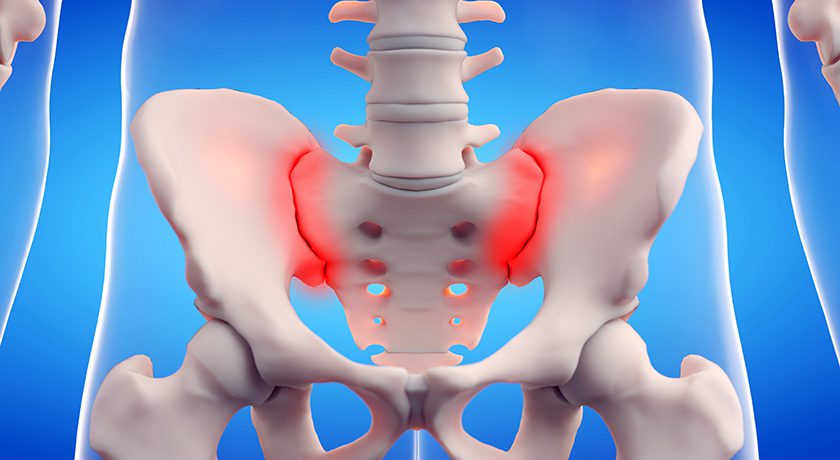
The system is intended for sacroiliac joint fusion for treating conditions including degenerative sacroiliitis and sacroiliac joint disruptions. Engineered for the minimally invasive posterior approach, the system is designed to stabilize and promote fusion of the sacroiliac joint.
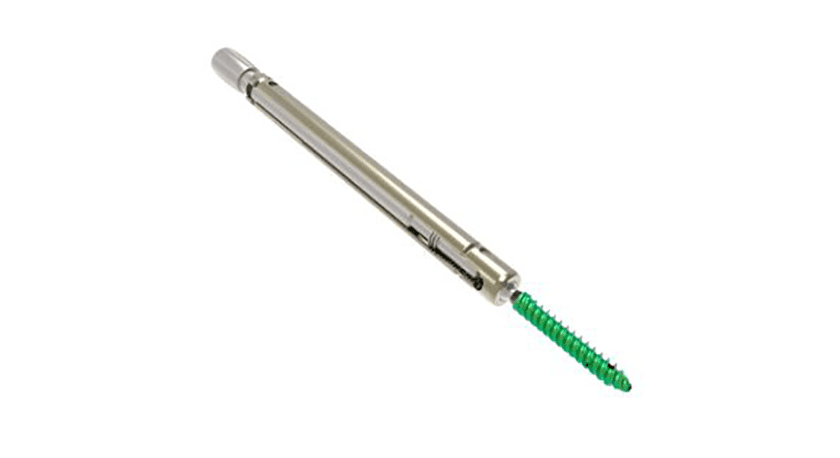
During the procedure, the implant is inserted through the ilium to pierce its medial cortex, across the sacroiliac joint, and into the sacrum to pierce its lateral cortex, a design created to enhance fixation and reduce the risk of migration. Bone graft material is placed within the implant to facilitate additional bone incorporation after surgery.
A key feature of the system is its double-helix architecture, which leverages autograft bone from both the ilium and the sacrum to support arthrodesis and long-term joint stabilization.
The system also includes PsiF Guard, a proprietary surgical guidance technology developed through a partnership with SpineGuard. PsiF Guard provides real-time intraoperative feedback to support accurate implant placement and confirmation of positioning.
“The double helix design was engineered to work in harmony with native anatomy,” said Troy Schifano, Chief Executive Officer of Omnia Medical. “By utilizing autograft bone from both sides of the joint, PsiF DNA supports the biological environment needed for fusion while maintaining procedural efficiency.”
Omnia Medical commenced commercial launch of the PsiF DNA Sacroiliac Joint Stabilization System.
The system is intended for sacroiliac joint fusion for treating conditions including degenerative sacroiliitis and sacroiliac joint disruptions. Engineered for the minimally invasive posterior approach, the system is designed to stabilize and...
Omnia Medical commenced commercial launch of the PsiF DNA Sacroiliac Joint Stabilization System.
The system is intended for sacroiliac joint fusion for treating conditions including degenerative sacroiliitis and sacroiliac joint disruptions. Engineered for the minimally invasive posterior approach, the system is designed to stabilize and promote fusion of the sacroiliac joint.
During the procedure, the implant is inserted through the ilium to pierce its medial cortex, across the sacroiliac joint, and into the sacrum to pierce its lateral cortex, a design created to enhance fixation and reduce the risk of migration. Bone graft material is placed within the implant to facilitate additional bone incorporation after surgery.
A key feature of the system is its double-helix architecture, which leverages autograft bone from both the ilium and the sacrum to support arthrodesis and long-term joint stabilization.
The system also includes PsiF Guard, a proprietary surgical guidance technology developed through a partnership with SpineGuard. PsiF Guard provides real-time intraoperative feedback to support accurate implant placement and confirmation of positioning.
“The double helix design was engineered to work in harmony with native anatomy,” said Troy Schifano, Chief Executive Officer of Omnia Medical. “By utilizing autograft bone from both sides of the joint, PsiF DNA supports the biological environment needed for fusion while maintaining procedural efficiency.”




 Copy to clipboard